Health & Safety Policy — Southgate House Clearance
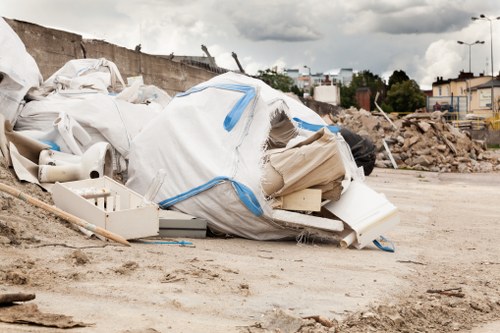 Southgate House Clearance is committed to providing a safe working environment for all employees, contractors and members of the public affected by its operations. This policy sets out the approach we take across our rubbish company service area and house clearance activities to manage hazards, reduce risk and ensure compliance with applicable health and safety requirements. The aim is to maintain consistently high standards in waste removal service area operations while minimising harm and environmental impact.
Our policy applies to routine clearance work, skip loading, bulk rubbish removal, and vehicle-based collections across the company’s service footprint. We recognise that safe systems of work are fundamental to delivering an effective rubbish removal service area and to protecting people and property during house clearance tasks. This document therefore outlines responsibilities, controls, training, emergency procedures and monitoring arrangements designed to maintain safe operations.
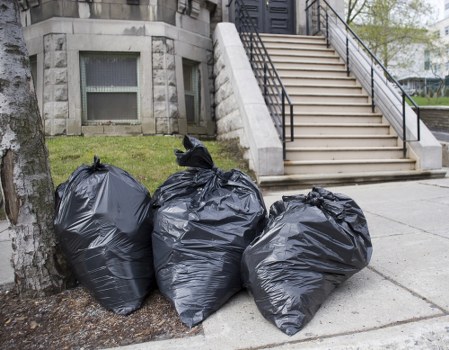 The policy provides a framework for risk assessment and safe working practices across all contexts the company operates in, including domestic clearances, small commercial jobs, and associated transfer activities. It is applicable to permanent staff, agency workers and subcontractors engaged by the rubbish clearance company. Managers are tasked with implementing this policy; employees are expected to follow the rules and report hazards. The company will provide the necessary resources to meet these commitments.
Responsibilities and Duties
Management will ensure that health and safety is a core part of operational planning and daily activity. Key responsibilities include:
- Risk assessment: carry out and record assessments for all prominent tasks and sites.
- Safe systems: develop method statements for higher-risk activities such as bulky waste removal and use of lifting equipment.
- Training: ensure staff receive induction and ongoing competency training relevant to the rubbish collection service area.
- Provision of PPE: supply appropriate personal protective equipment and monitor its correct use.
Employees must cooperate with managers, follow instructions, use provided PPE and report unsafe conditions immediately. Subcontractors must comply with our standards and demonstrate competency before work starts. These combined duties help sustain a safe and compliant waste removal service area.
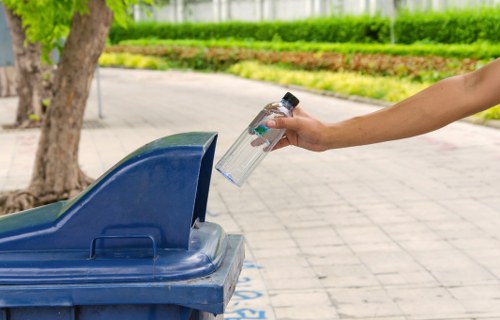 Training and competence are central to our approach. New starters receive a structured induction covering manual handling, vehicle safety, hazardous items recognition and customer safety. Refresher training is scheduled regularly and before the introduction of new equipment or procedures. Staff are trained to identify hazardous waste, sharps, asbestos suspects and electrical risks and to segregate items for appropriate disposal in line with waste management obligations.
Operational Controls and Risk Management
Risk assessments are carried out before every significant clearance. Controls include pre-job checks, safe manual handling techniques, appropriate lifting aids, and exclusion zones where necessary. We use clear signage and vehicle banks to manage traffic and protect operatives and passersby. A focus on ergonomics aims to reduce musculoskeletal injuries typical in rubbish clearance roles.
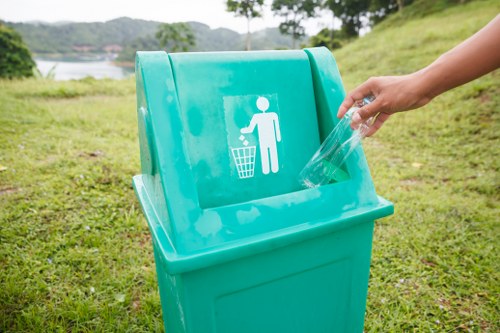 Hazardous materials are managed according to legal and industry standards. Where potentially dangerous items are identified — such as chemicals, batteries, solvents, contaminated textiles or suspected asbestos-containing materials — operations are stopped and specialist contractors engaged. The company maintains an inventory of hazardous waste types encountered in the rubbish company coverage area and ensures correct packaging, documentation and transfer to authorised disposal facilities. Under no circumstances should untrained staff attempt disposal of regulated hazardous waste.
Incident Reporting, First Aid and Emergencies
 All incidents, near misses and injuries must be reported and recorded promptly. The company will investigate events, identify root causes and implement corrective actions to prevent recurrence. First aid provisions are maintained on site and in vehicles, with trained first aiders available where practicable. Emergency procedures, including vehicle breakdown, fire, spill containment and medical emergencies, are documented and communicated to staff as part of standard operating procedures.
Vehicle and Equipment Safety: Vehicles used in removals are subject to regular inspection and maintenance. Drivers and loaders receive training on load securing, reversing safety and the safe use of tail lifts. Equipment such as trolleys, sack trucks and PPE is inspected before use and replaced or repaired as needed. Safe operation of tools is reinforced through toolbox talks and supervisory oversight.
Monitoring and Review: The health and safety policy is reviewed at least annually and after significant incidents or changes to operations. Performance is measured through audits, site checks, training records and incident statistics. The company commits to continuous improvement, drawing on workforce feedback and regulatory developments to strengthen controls in the rubbish clearance service area.
Conclusion: Southgate House Clearance seeks to deliver effective, reliable rubbish removal and house clearance services while maintaining the highest practical standards of health and safety. By combining clear leadership, competent staff, robust procedures and ongoing review, the company minimises risks to people, property and the environment across its waste removal service area.