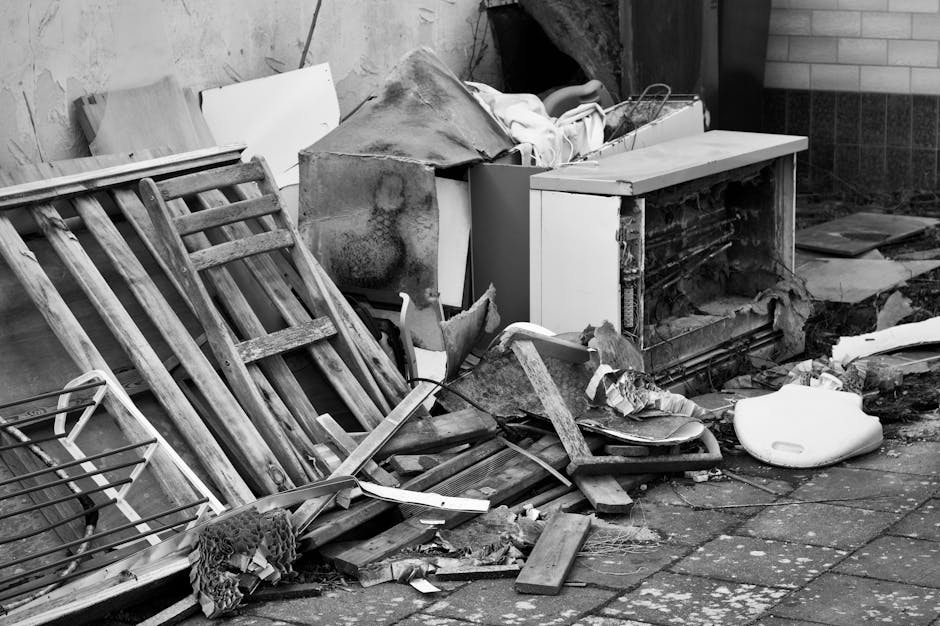
House clearance in Southgate

Southgate House Clearance provides a practical house clearance service in Southgate for homeowners, landlords, executors and anyone needing rooms emptied with care and good organisation. The work can cover a single filled room, a loft, a full property or a mix of items that need sorting before removal. We focus on making the process straightforward, with a clear approach to lifting, segregation and disposal so that the job can move ahead without unnecessary disruption.
Our service is designed around clear, usable outcomes: spaces are emptied methodically, items are separated into suitable categories, and the work is handled in a way that suits the property and the contents. That can be especially helpful where there is bulky furniture, mixed household effects or items that need careful handling around stairs, narrow halls or limited parking. If you are comparing options, start by reviewing the scope of the job and then request a quotation when you are ready.
For a clear next step, you can look through the main service pages, compare what is involved, and then ask for a quotation when the scope of the clearance is understood. If the property contains several different kinds of items, it is often best to separate them by room so the work can be planned properly rather than approached as a single vague task.
Complete house clearance for homes and inherited property
House clearance usually involves more than simply carrying items away. A proper service needs to account for access, item size, the likely amount of sorting required and whether some contents need to be left in place. That is why a full house clearance is best approached as a planned job rather than an improvised collection. Where a property contains furniture, general household goods and a mixture of usable and unwanted contents, the work can be arranged so the right items are removed in the right order.
In many cases, a clear house clearance will include bedrooms, reception rooms, hallways, cupboards and other storage areas. Items may need to be moved carefully from upper floors, detached in sections or carried through tight spaces without damage to fixtures. If a property is being prepared for sale, let, renovation or handover, an ordered clearance can reduce the amount of residual material left behind and make the next stage simpler. The most useful starting point is to decide what should stay and what should go.
What a house clearance can include
The scope will depend on the property, but it can commonly cover wardrobes, tables, chairs, soft furnishings, boxes of mixed household items, ornaments, white goods and general clutter that has built up over time. Some clearances are straightforward and involve just a few items; others need careful room-by-room removal. Where there are fragile belongings, awkwardly shaped items or contents that need special attention, the work can be paced to keep everything manageable and avoid unnecessary handling.
Furniture clearance and careful removal

Furniture clearance is a major part of many house clearance jobs, especially where large pieces dominate the space or where a room cannot be used until the furniture has gone. Sofas, beds, wardrobes, cabinets, dining sets and office-style pieces may all need to be moved out with attention to doors, stairs and corners. The practical challenge is often not the item itself, but how it leaves the property without damaging walls or leaving the customer with a difficult lifting job.
We also deal with furniture that is no longer needed because a room is being reconfigured, a tenancy is ending or a property is being passed on. In some situations the best approach is to clear the largest items first and then return to smaller pieces, allowing the room to open up as the work progresses. That makes it easier to check what remains, identify anything that was overlooked and keep the clearance efficient.
For customers who want a broader service, the related furniture pages can help clarify the difference between removal, disposal and full room clearance. When you are gathering details for a quotation, it is useful to list the largest items separately, as well as any pieces that are difficult to move, because that helps set a realistic plan for the job.
Lofts, garages and other storage spaces
Storage areas often become the most awkward parts of a property to clear because access is restricted and contents are rarely arranged in a tidy way. A loft may contain boxed household items, old decorations, seasonal goods, archived paperwork or long-forgotten furniture. A garage can hold a similar mix, along with tools, bicycles, garden equipment and broken objects that have simply accumulated. These spaces benefit from a careful approach that separates bulky items from smaller mixed contents.
Where access is tight, planning matters as much as physical lifting. A loft clearance may require items to be taken down in stages, while a garage clearance may involve moving objects that have been stacked against walls for years. It is usually best to identify whether the space is mostly storage, mostly furniture or a mix of both, because that influences how much sorting is needed before removal begins. Good organisation can save time and reduce the chance of leaving behind unwanted fragments.
The most useful preparation is often to decide whether the storage space is being emptied completely or only partly. If a loft or garage includes both keep items and unwanted items, separate them before the work begins if you can do so safely. That keeps the clearance focused and avoids confusion once the contents start to move.
Garden, outdoor and mixed waste removal
Some house clearance projects extend beyond the interior of the property and include garden waste, shed contents or mixed materials left around an outdoor space. This can involve branches, cuttings, broken outdoor furniture, damaged plant pots, old storage items or a general accumulation of objects that no longer serve a purpose. The key point is to identify what needs removing and whether the material is all in one place or spread across the garden, side return or outbuildings.
Outdoor clearances often need a sensible order of work because access routes may pass through the house, across paving or down narrow side passages. It can help to remove heavier items first and then deal with smaller loose material afterwards. If you are comparing the service with a dedicated garden clearance page, remember that the practical task is often about separating mixed waste from reusable or keep items rather than simply moving everything at once.
When a property has both indoor and outdoor contents to be removed, the best approach is to set out the areas clearly. That makes it easier to estimate the work, decide which parts are most urgent and avoid unnecessary duplication. A well-planned clearance should leave the space easier to use, not create more sorting work for the customer later.
Office, business and workplace clearances

Business premises need a different kind of clearance because the contents may include desks, chairs, storage units, files, monitors, shelving and general office equipment. An office clearance must also take account of working arrangements, building access and any items that should be handled separately from normal furniture. If the premises are being refurbished, vacated or reconfigured, the goal is to remove what is no longer required while keeping disruption to the minimum the site allows.
Some workplace clearances are straightforward and involve standard furniture and equipment. Others need more careful sorting because they include mixed storage, archive material or items spread across several rooms. In those cases, the work is usually best organised around departments, floors or zones so that nothing is missed and the remaining space can be checked at the end. Our service pages for office waste removal and business waste removal can help explain the type of clearance each setting may need.
Practical decisions matter in commercial clearances: whether items should be cleared from one floor or several, whether large furniture should be dismantled first and whether any contents must remain in place for later collection. If you are arranging a quote, it helps to describe the layout clearly and note any access restrictions such as lifts, loading points or time windows for entry.
How the clearance process is usually planned
Most customers want to know how a house clearance moves from the first enquiry to the actual removal. The useful answer is that a good plan begins with the scale of the job, the type of contents and the access available. Once those points are understood, the work can be shaped around the property rather than forcing the property to fit an unsuitable process. That is especially important where there are multiple rooms, awkward items or contents stored in more than one place.
When preparing for a quotation, it helps to give a concise list of the main areas involved and any larger items that are likely to affect the work. Photographs can be helpful where the clearance is varied, and a room-by-room outline is often even better for properties with mixed contents. If you know which items should remain, set those apart clearly. A simple list of priorities makes the job easier to assess and keeps the clearance focused on what actually needs doing.
Useful details to provide include the type of property, the number of floors, whether there is parking nearby and whether any items are especially heavy, fragile or awkward. That is not about overcomplicating the job; it is about making sure the final plan is sensible. Clear information at the start helps avoid confusion later and gives a more accurate view of what the work involves.
Recycling, disposal and sensible sorting
Many clearances contain more than one kind of material, so sorting is a normal part of the work. Furniture, appliances, general household contents and mixed waste do not all belong in the same stream, and a careful clearance should reflect that. Where possible, items are separated so that the right route is taken for each type of material rather than treating everything as identical. That approach supports a tidier handover and avoids unnecessary handling.
If a property contains reusable furniture or goods alongside damaged or unwanted items, it is worth identifying those differences before removal begins. The more clearly the contents are separated, the more straightforward the job becomes. This is particularly useful in homes where some items are being retained for a family member, where a room includes both storage and everyday contents, or where the property has been occupied for a long period and the mix is varied. The related recycling and sustainability page explains more about that side of the process.
Sorting also matters when disposal routes differ for bulky items, mixed waste and everyday household contents. Even without going into technical detail, it is sensible to think of the job in categories rather than one large pile. That is a practical way to keep a clearance orderly from start to finish.
Pricing factors and quotation details

Pricing for a house clearance is usually shaped by the size of the property, the quantity and type of contents, the ease of access and the amount of sorting needed on site. A single room filled with straightforward furniture is a very different job from a multi-room clearance with loft storage, heavy items and mixed materials. The quotation should reflect the work involved, not just a guess based on the name of the property.
It is helpful to explain whether the clearance is partial or complete, whether there are staircases or narrow access points and whether any large items must be taken out in a particular order. If you have a preferred timing for the work, mention that too, because it can affect scheduling. You do not need to make the request complicated; in many cases a simple, accurate summary is enough to begin. If you are ready to move forward, the pricing and quotes page is a sensible place to continue.
One clear quote request is better than several vague ones. List the main rooms, describe the contents in broad terms and note anything unusual, such as storage spaces, bulky furniture or difficult access. That gives a better basis for comparison and keeps the conversation focused on the actual job rather than guesswork.
About Southgate
Southgate is a suburban district in north London, within the London Borough of Enfield, and it has long been shaped by its position on what was once the edge of the city. The area grew more significantly with the arrival of the railway and later the Piccadilly line, which helped turn a rural fringe into a connected residential district. That layered development is still visible in the local street pattern, where older routes sit alongside later planned roads and interwar housing. The district’s name itself reflects its historic role as the south gate to Enfield Chase, a reminder of a landscape that was once far more open than it is today. Southgate station, with its distinctive round design by Charles Holden, is one of the best-known landmarks and a strong example of early 20th-century Underground architecture. Nearby, the Church of St Andrew offers an older religious presence in the area, while Broomfield Park provides a large green space with formal gardens, mature trees and a lake that gives the district a calmer, more open character. The local centre combines retail streets, everyday services and civic buildings, while surrounding residential roads include a mix of semi-detached housing, apartments and smaller commercial premises. Southgate’s identity is therefore not just suburban convenience but a blend of transport history, conservation interest and green space. It is a place where transport, architecture and neighbourhood life meet in a way that has evolved over many decades rather than appearing all at once.
House clearance for different property stages
House clearance needs vary depending on why the property is being emptied. A home that is being refreshed for new occupants has different priorities from one that has been left with a full mix of contents after a long period of use. Inherited properties may involve careful sorting of personal items, furniture and stored belongings, while tenancy changes can require a more direct approach to emptying rooms and common areas. Each setting benefits from a plan that matches the contents and the deadline, rather than a generic removal method.
In practical terms, this means thinking about what must be removed first and what needs to stay until later. Items with personal value may need to be separated before the clearance starts, while heavier pieces can be grouped for earlier attention so the remainder of the property becomes easier to move through. If the job includes both household contents and stored items from outbuildings or lofts, keep those categories distinct. That makes the eventual clearance neater and helps avoid accidental mix-ups.
- Room-by-room clearances suit properties with mixed contents.
- Full-property clearances work well where every main area needs emptying.
- Storage-space clearances are useful when lofts, garages or cupboards are the main challenge.
- Furniture-led clearances are often chosen when the largest pieces are the main obstacle.
Contact us for a quotation

When you are ready to arrange house clearance in Southgate, the easiest next step is to gather the basic information needed for an accurate quotation. A brief description of the property, the main rooms involved and the type of contents usually gives enough context to begin. Where the job includes furniture, loft storage, garage contents or mixed waste, noting those details separately makes the request more useful and helps the work be assessed properly.
If you would like to compare services first, review the relevant pages for house clearance, furniture clearance, loft clearance, garage clearance and pricing. That gives a clearer picture of how the work can be shaped around the property. Then, when you are ready, send through the details and ask for a quotation. We are ready to help with practical, well-planned clearance work that matches the space and the contents.
For a straightforward start, choose the service that best fits the job, note any access points or large items, and then make your enquiry. If you want to move ahead now, request a quote.