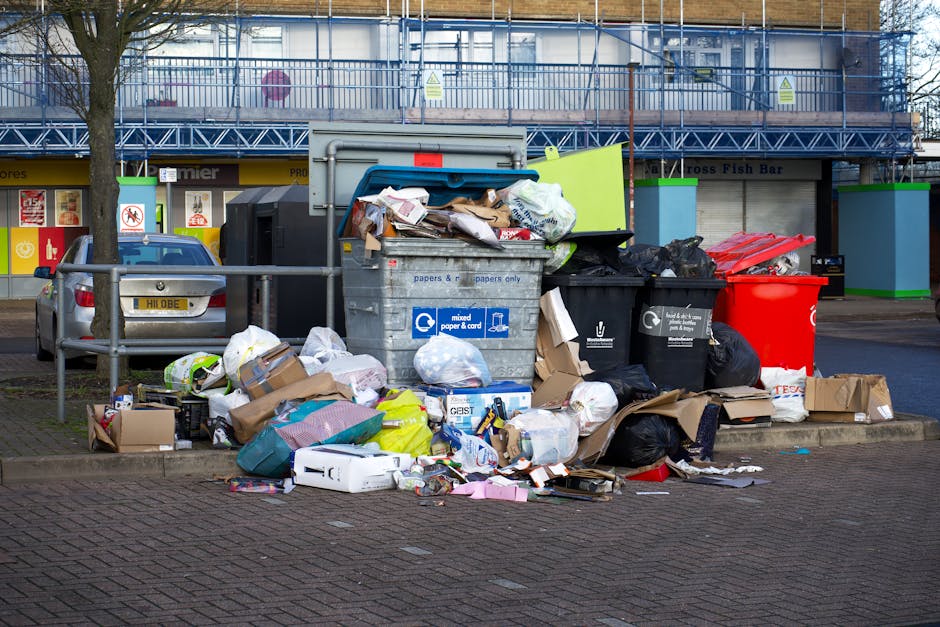
Enfield Council rubbish rules what Southgate residents must know

If you live in Southgate, rubbish rules are one of those things you only notice when they go wrong. A bin gets missed, a sack is left out too early, or a sofa appears on the pavement and suddenly there's a warning sticker. That is exactly why understanding Enfield Council rubbish rules what Southgate residents must know matters. It keeps your street looking tidy, helps you avoid fines or collection problems, and saves a surprising amount of hassle on a wet Tuesday evening when the bags are already heavy and the lift is busy.
This guide breaks the rules down in plain English. You'll find what usually goes where, how collections tend to work, what to do with bulky items, and where a local clearance service can help when council collections or household bins are not the right fit. No waffle. Just the practical stuff people actually need.
Why Enfield Council rubbish rules what Southgate residents must know Matters
Southgate sits in a very normal London reality: homes are close together, storage is often tight, and one wrong move with waste can annoy half the street. Council rubbish rules are not just about neatness. They affect collection reliability, pest control, pavement access, recycling quality, and neighbour relationships. Let's face it, nobody wants a pile of black sacks melting in the sun or a broken wardrobe blocking the communal walkway.
For residents in flats, terraces, and shared houses, the rules matter even more. A single missed instruction can mean a whole block has to wait for another collection. If the waste is set out incorrectly, it may not be taken at all. That creates extra mess and, in some cases, extra cost if you then need urgent clearance help.
Expert summary: The safest approach is to separate your waste before collection day, keep presentation tidy, and treat anything bulky, sharp, electrical, or hazardous as a special case rather than assuming it can go with normal household rubbish.
That simple habit prevents most problems. It also makes recycling easier, which is one of those things you can't always see happening, but the difference is there. Cleaner bins, fewer spillages, less confusion. Quiet wins, really.
How Enfield Council rubbish rules what Southgate residents must know Works
While local collection arrangements can vary by property type and street, the basic logic is straightforward. Household rubbish is usually collected in designated bins or sacks, recycling is sorted separately, and bulky waste needs either a booked collection or a private clearance arrangement. If your home is in a flat, a converted house, or a shared building, you may also have communal bin stores or specific presentation times.
In practice, residents should think in three buckets: general waste, recycling, and special items. General waste is for non-recyclable household rubbish. Recycling is for materials accepted in the local service. Special items include furniture, builders' waste, electrical items, mattresses, garden cuttings, and anything that could cause harm or contamination if left beside the bin.
There's also the simple issue of timing. Most collection systems expect bins or bags to be placed out at the correct time, not days early. Leave them too soon and you risk obstruction, damage, or complaints from neighbours. Put them out too late and you miss the collection window. It sounds basic, but that is where most mistakes happen.
If you are dealing with a bigger clear-out, such as a house move or refurbishment, council services may not be the most practical route. A dedicated waste removal service can be more suitable for mixed loads, awkward access, or time-sensitive jobs, especially where you need everything gone in one visit.
Key Benefits and Practical Advantages
Following the rules is not just about avoiding a nuisance letter or a missed collection. There are real day-to-day benefits too. For one thing, your home stays clearer. You spend less time dragging bags back in because you guessed the sorting wrong. And your street feels more manageable, especially in the tight side roads around Southgate where a single overflowing bin can quickly become everybody's problem.
- Fewer missed collections: Waste presented properly is far more likely to be taken first time.
- Less stress: You know what can go in which bin, so there's less last-minute guesswork.
- Cleaner shared spaces: Important for flats, HMOs, and terraced streets with limited bin storage.
- Better recycling outcomes: Sorting items correctly helps keep recyclable material clean and usable.
- Lower risk of complaints: Neighbours notice badly placed rubbish very quickly, unfortunately.
There's also a financial angle. Repeated problems with waste can lead to avoidable costs, whether that is extra private collection, replaceable bin containers, or more serious enforcement if waste is dumped improperly. A little care now can save a lot of sorting later.
Who This Is For and When It Makes Sense
This guidance is useful for almost anyone living in Southgate, but a few groups benefit most:
- Households with limited bin space: especially flats, maisonettes, and shared houses.
- People clearing out rooms: lofts, garages, spare bedrooms, and garden sheds tend to produce mixed waste quickly.
- Families moving home: moving week creates more packaging, broken items, and general clutter than most people expect.
- Landlords and letting agents: end-of-tenancy waste often needs faster turnaround than council collections can offer.
- Small businesses working from home: office waste and packaging can build up fast.
If you are only dealing with a couple of bags, council collection rules may be all you need. If you have furniture, renovation debris, or a full property clear-out, a service such as house clearance or home clearance is often more sensible. Truth be told, nobody wants to spend three weekends shifting a broken wardrobe one stair at a time.
It also makes sense when access is awkward. Top-floor flats, narrow stairs, permit-only streets, and no-lift buildings can turn a simple rubbish job into a proper workout. Not the fun kind.
Step-by-Step Guidance
Here is a practical way to deal with waste in Southgate without making the process harder than it needs to be.
- Sort everything before collection day. Put recyclables, general waste, and reusable items into separate groups. It saves time later.
- Check what the item actually is. A "bit of wood" might be recycling, garden waste, or builders' waste depending on contamination and size.
- Flatten or break down bulky packaging. Cardboard boxes take up far less room when folded. A tiny bit of effort, big difference.
- Keep hazardous or sharp items apart. Broken glass, paint, chemicals, and needles should never be mixed casually with household rubbish.
- Present bins correctly. Follow local collection timing, placement, and lid-close expectations as closely as possible.
- Book special collections when needed. If an item is too large or unsuitable for normal bins, do not force it. That usually ends badly.
- Use a clearance service for mixed or heavy loads. For furniture, bulky rubbish, or renovation waste, a specialist team can remove everything in one go.
A small real-world example: if you are emptying a spare room after years of "I'll deal with it later," you might find old chairs, paperwork, broken shelves, and bags of random bits all together. The council bin system may handle only a fraction of that. This is where a tailored service like flat clearance or furniture disposal can make the job far smoother.
Expert Tips for Better Results
After clearing plenty of properties, a few patterns stand out. The best results usually come from people who prepare early and keep the waste stream simple. You don't need perfection. Just a bit of order.
- Start with the biggest items first. Once the bulky pieces are gone, the remaining waste becomes much easier to judge.
- Do a quick "keep, donate, dispose" pass. It reduces the amount you throw away, and sometimes quite a lot.
- Keep electrical items separate. Cables, screens, kettles, lamps, and similar items often need special handling.
- Don't wait until the last minute. Friday night sorting with a half-full black sack and tired eyes is a familiar scene, but not ideal.
- Photograph larger piles before booking. It helps you explain the job clearly if you're arranging a quote.
- Think about access before collection. Narrow gates, stairs, and parking can affect how quickly a load can be removed.
If you need to clear out a garage, remember that garages tend to collect a strange mixture of everything: old paint, cracked plant pots, tools you forgot you owned, and some mystery box from 2017. A dedicated garage clearance can be a very tidy solution.
And for garden waste, especially after pruning or a big tidy-up, garden clearance can be better than overloading your regular bins. Wet soil and thorny cuttings are not exactly pleasant to wrestle with in a narrow alleyway.
Common Mistakes to Avoid
Most rubbish problems are avoidable. The tricky bit is that they look harmless right up until they aren't.
- Mixing general waste with recycling. One wrong item can contaminate a whole bag or container.
- Leaving waste on the pavement too early. It can block access and attract complaints.
- Assuming bulky items are automatically acceptable. They usually are not.
- Putting building rubble in household bins. Heavy construction waste needs the right handling.
- Forgetting about communal rules in flats. Shared buildings often have stricter arrangements than houses.
- Ignoring smell or spill risk. Food waste and damp rubbish can quickly become unpleasant, especially in warm weather.
One mistake people make over and over is trying to "hide" extra waste beside the bin. It rarely works. More often, it just creates a mess and makes the entire area look untidy. Not worth it.
For renovation debris, a specialist builders waste clearance option is usually the safer choice. Tiles, plaster, timber offcuts, and dust behave very differently from normal household rubbish, and they need to be handled accordingly.
Tools, Resources and Recommendations
You do not need a complicated system. A few simple tools make rubbish sorting much easier:
- Sturdy black bags and recycling bags: helps keep streams separate.
- Marker pen or labels: useful for shared houses or cluttered clear-outs.
- Box cutter or scissors: ideal for breaking down cardboard safely.
- Gloves: essential if you are dealing with dusty lofts, garages, or mixed waste.
- Phone camera: handy for photographing bulky items before booking collection.
- Simple staging area: one corner of a room, hallway, or driveway where sorted waste can sit temporarily.
If you want to understand how a professional service handles disposal responsibly, it is worth looking at the company's recycling and sustainability approach. That kind of detail tells you a lot about how mixed waste is managed in practice.
For jobs involving rooms, stores, or working spaces, a office clearance style approach can be useful even outside a formal office setting. The logic is the same: sort items, remove what is not needed, and keep what remains usable or recyclable.
Law, Compliance, Standards, or Best Practice
Waste handling in the UK is not just a housekeeping issue. There are legal and best-practice expectations around how waste is stored, moved, and disposed of. For most Southgate residents, the safest working principle is simple: only use the collection route appropriate to the waste type, and never leave rubbish where it could cause a hazard, fly-tipping issue, or obstruction.
Where a waste carrier is used, it is sensible to choose a provider that can explain how items are removed, what happens to recyclable material, and how safety is managed during lifting and loading. You should also expect clear terms, sensible pricing, and proper insurance arrangements. Those are not extras. They are basics.
Shared buildings and rental homes need extra care. Tenants, landlords, and managing agents all have a part to play in keeping waste areas usable. If one person dumps items in the wrong place, everyone feels it. That is why clear access, safe lifting, and communication matter so much.
For peace of mind, look for visible standards such as good handling practice, respect for shared spaces, and clear information on health and safety policy and insurance and safety. Those pages are often not glamorous, but they tell you a lot about how seriously a company takes the job.
If you are hiring a clearance team, the terms of service matter too. A clear set of terms and conditions helps set expectations around access, payment, item types, and cancellations. Simple stuff, but very useful when a job is already a bit hectic.
Options, Methods, or Comparison Table
Different waste problems need different fixes. Here is a simple comparison to help you decide which route makes sense.
| Method | Best for | Strengths | Limitations |
|---|---|---|---|
| Council bin collection | Routine household waste and basic recycling | Convenient, familiar, usually the first option people try | Not suitable for bulky items or mixed clear-outs |
| Booked special collection | Selected larger items or scheduled waste pickups | Good for one-off items and tidy preparation | May involve waiting and item restrictions |
| Private clearance service | Furniture, mixed waste, heavy loads, awkward access | Flexible, fast, less physical effort for you | Needs proper quoting and a trusted provider |
| DIY disposal | Small, manageable loads when you have time and transport | Can work for simple jobs | Time-consuming, tiring, and easy to get wrong |
In many Southgate homes, the council route is fine for ordinary week-to-week waste. But once the job includes cupboards, mattresses, broken furniture, or a room full of mixed clutter, private support usually wins on convenience. If you need a broader service, furniture clearance and furniture disposal are worth considering before you start dragging things downstairs yourself.
Case Study or Real-World Example
A Southgate resident clearing a two-bedroom flat may start with a simple idea: "I'll put everything out with the normal rubbish." Then the reality kicks in. There is an old mattress, a wardrobe with one broken door, three bags of mixed household waste, a box of cables, and a stack of cardboard from a recent purchase. The bin area is already tight, and the lift is small. Suddenly, the plan feels less simple.
In a situation like that, a sensible approach is to separate the items first. Cardboard is flattened. Cables and electronics are set aside. The mattress and wardrobe are treated as bulky waste. The remaining black bags are checked for contamination. If the load is still too awkward, the resident books a local clearance visit and gets the lot removed in one go. Less stress, less back and forth, and the hallway stays usable. Which, in a flat building, is a blessing.
That kind of job is exactly where a service like flat clearance earns its keep. It is not just about taking things away. It is about avoiding the domino effect that starts with one large item and ends with a pile in the corridor.
Practical Checklist
Use this quick checklist before collection day or before booking a clearance service.
- Have I separated recycling from general waste?
- Have I identified any bulky, heavy, or sharp items?
- Are there electrical items that need special handling?
- Have I checked access, parking, stairs, and communal areas?
- Is anything hazardous, wet, or contaminated?
- Do I need a council collection, a booked pickup, or private clearance?
- Have I flattened cardboard and broken down large packaging?
- Have I kept bins and walkways clear for neighbours?
- Do I know what the provider or council will not take?
- Have I kept proof, notes, or photos in case I need them later?
It is a small list, but it catches most of the usual issues. And honestly, that saves a lot of faffing about.
Get a free quote today and see how much you can save.
Conclusion
Understanding Enfield Council rubbish rules what Southgate residents must know is really about making life easier, not more complicated. Once you know which waste goes where, how to present it, and when to step outside the normal bin system, the whole process becomes calmer. Your home feels tidier, the street stays more pleasant, and you avoid those annoying little mistakes that turn into bigger problems.
For everyday rubbish, a bit of sorting and sensible timing goes a long way. For bulky items, awkward access, or full-property clear-outs, a professional service can save time, effort, and a fair bit of lifting. That combination of local know-how and practical handling is often the sweet spot.
If you are planning a larger clear-out, you can also learn more about the company's approach on the about us page or review pricing and quotes before you decide. Either way, the goal is the same: a cleaner space and fewer headaches. A simple, decent outcome. Sometimes that is all you need.
Frequently Asked Questions
What are the main rubbish rules Southgate residents should follow?
Separate recycling from general waste, present bins correctly on collection day, and keep bulky or hazardous items out of normal household rubbish. If something looks too big or awkward, treat it as a special case.
Can I leave extra bags next to the bin if it is full?
Usually, no. Extra bags left beside a bin are often treated as non-compliant, may attract pests, and can be missed by collectors. It is better to reduce waste, wait for the next collection, or arrange a suitable removal method.
What should I do with large furniture in Southgate?
Large furniture usually needs a booked bulky collection or a private clearance service. Sofas, wardrobes, beds, and similar items are awkward to handle through normal bins, especially in flats or narrow stairwells.
Are electrical items allowed in normal rubbish bins?
Generally, electrical items should not go in ordinary household rubbish. They often need separate handling because of wiring, batteries, or recycling requirements. Keep them apart until you know the right route.
What if I live in a flat with communal bins?
Communal bin areas often have stricter rules because space is limited and shared by many residents. Keep the area tidy, follow the building's instructions, and avoid leaving waste in the wrong place even for a short time.
Is builders' waste treated differently from household rubbish?
Yes, it usually is. Items like plaster, tiles, timber offcuts, rubble, and demolition debris should be handled through a suitable route. A builders waste clearance service is often the cleaner option.
How do I know whether I need a council collection or private removal?
If the waste is routine and fits your bin system, council collection may be enough. If it is bulky, mixed, heavy, urgent, or hard to access, private removal is often more practical. Think of it as choosing the least painful route, really.
What happens if rubbish is put out too early?
Waste put out too early can block access, become a nuisance, or be moved by weather, animals, or passers-by. In shared areas, early presentation also tends to annoy neighbours. It is a small thing that makes a noticeable difference.
Can a clearance service help with garden waste too?
Yes, especially after pruning, hedge cutting, or a garden overhaul. Garden waste can be bulky, damp, and messy, so a dedicated garden clearance can be a very practical choice.
What is the safest way to prepare for a waste clearance visit?
Sort items into piles, keep access routes clear, separate hazardous materials, and note anything especially heavy or awkward. Clear communication helps the team work faster and keeps the job safer for everyone involved.
Do I need to worry about health and safety when moving waste myself?
Yes, particularly with heavy furniture, broken glass, dusty loft items, or damp rubbish. Gloves, sensible lifting, and good footwear all help. If the job feels fiddly or unsafe, it is usually wiser to get help rather than muscle through it.
Where can I learn more about the company's service standards?
You can review the company's health and safety policy, insurance and safety information, and recycling and sustainability approach for a clearer picture of how jobs are handled.