Household Hacks to Slash Waste and Save Resources
In today's world, minimizing household waste and conserving resources have become more crucial than ever. Not only does reducing waste help preserve our planet for future generations, but it also saves money and fosters smarter habits. Whether you're an eco-warrior or just starting your green journey, implementing a few clever household hacks can significantly cut down on waste and promote sustainable living. In this comprehensive guide, discover powerful and practical tips to reduce, reuse, and recycle at home.
Why Cutting Down Household Waste Matters
Every year, households around the globe generate tons of garbage, much of which ends up in landfills, polluting oceans, and straining our planet's finite resources. By embracing sustainable practices at home, you not only contribute to a cleaner environment but also enjoy personal benefits such as reduced utility bills, less clutter, and improved well-being.
Benefits of Minimizing Household Waste
- Environmental Conservation: Less trash means fewer harmful emissions and reduced landfill usage.
- Financial Savings: Efficient use of resources translates to lower utility and grocery bills.
- Healthier Living: Using fewer chemicals and reducing plastic exposure contribute to better health.
- Enhanced Awareness: Mindful consumption nurtures gratitude and intentional living.
Effective Household Hacks to Slash Waste and Save Resources
Ready to transform your home into a greener, thriftier haven? Below you'll find tested strategies, innovative solutions, and resource-saving tips to tackle waste in every area of your household.
1. Adopt a Zero-Waste Kitchen Mindset
-
Plan Your Meals:
- Draft weekly menus and shopping lists to avoid food spoilage and impulse purchases.
- Utilize leftovers creatively in soups, stir-fries, or casseroles.
-
Compost Kitchen Scraps:
- Turn fruit peels, coffee grounds, and eggshells into nutrient-rich compost for your garden.
- Reduces landfill waste and improves soil health naturally.
-
Replace Single-Use Plastics:
- Switch to reusable glass containers, beeswax wraps, and stainless steel water bottles.
- Purchase groceries in bulk and bring your own bags.
-
Embrace Minimalist Cooking:
- Learn to cook with fewer ingredients and limit processed packaged foods.
- Reducing kitchen waste starts with mindful preparation and conscious eating habits.
2. Slash Waste in the Bathroom
Personal care products are notorious for plastic waste and toxins. Here's how to green up your routine:
-
Choose Refillable Soap Dispensers:
- Buy liquid soap in bulk or opt for bar soaps with compostable packaging.
-
Switch to Bamboo Toothbrushes:
- Bamboo handles are biodegradable and can be composted after use.
-
DIY Cleaning Products:
- Mix vinegar, baking soda, and lemon juice to make effective natural cleaners.
- Reduces the need for single-use plastic bottles and harsh chemicals.
-
Opt for Cloth Towels:
- Use washable fabric towels instead of paper for drying hands or cleaning surfaces.
3. Eco-Friendly Laundry Room Tips
- Full Loads Only: Run your dishwasher and washing machine only when full to reduce water and energy use.
- Cold Water Washing: Wash clothes in cold water whenever possible to save on heating energy.
- Line Dry When Possible: Air-dry clothes to reduce dryer usage and extend the life of your garments.
- Make Your Own Detergent: Homemade laundry soaps use fewer chemicals and cut back on packaging waste.
- Ditch Dryer Sheets: Try reusable wool dryer balls to soften clothes and reduce static.
4. Slash Paper Waste
Paper is a major component of household waste. Here's how to save trees and space:
- Go Digital: Switch bills, magazines, and subscriptions to digital formats wherever possible.
- Reusable Notebooks: Use erasable whiteboards or apps for to-do lists and notes.
- Repurpose Scrap Paper: Use the backs of old printouts for shopping lists or children's art projects.
- Compost Shredded Paper: Add shredded paper to your compost bin, avoiding glossy or colored pages.
5. Efficient Energy and Water Use
Conserving utilities is a powerful way to slash household resources consumption:
-
Install LED Bulbs:
- LEDs last longer and use significantly less electricity than incandescent bulbs.
-
Unplug Devices:
- Even in standby mode, appliances draw "phantom" energy. Unplug to save power!
-
Low-Flow Fixtures:
- Upgrade to WaterSense-certified shower heads and faucets to reduce water waste.
-
Fix Leaks:
- A single dripping tap can waste hundreds of gallons a year. Patch them promptly.
-
Smart Thermostats:
- Automate heating and cooling to minimize energy use when you're away from home.
6. Reuse, Repurpose, and Repair
Stretch the life cycle of common household items by upcycling and repairing:
- Repair Instead of Replace: Sew small tears, fix loose handles, and learn simple DIY fixes to increase product longevity.
- Creative Upcycling: Turn glass jars into storage, bottles into vases, and old t-shirts into cleaning rags.
- Host Swap Events: Exchange clothes, books, or toys with neighbors instead of sending items to landfill.
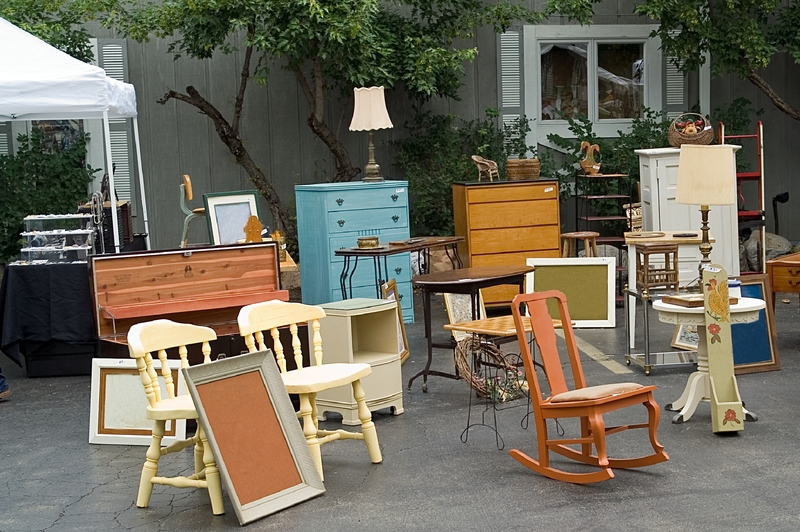
- Refurbish Furniture: Give old furniture a new life with a coat of paint or DIY upholstery.
7. Sustainable Shopping Habits
Choose products and brands that minimize waste and focus on sustainability:
- Buy in Bulk: Reduces packaging and often costs less per unit.
- Support Local: Shop at local farmers' markets to cut down on plastic packaging and support small businesses.
- Choose Quality Over Quantity: Invest in durable, multipurpose items rather than cheap, disposable goods.
- Look for Certifications: Products labeled Fair Trade, Organic, or Eco-Friendly are usually less wasteful.
Household Waste Reduction for Busy Families
Even with a hectic schedule, busy households can drastically slash waste and manage resources better:
- Batch Cook and Freeze: Prepare meals in bulk, portion them into reusable containers, and freeze. Cuts down on packaging and time.
- Assign "Green" Duties: Involve all family members by assigning weekly sustainability tasks as a shared routine.
- Organize Donation Stations: Designate bins for items to donate, recycle, or repair to keep unwanted stuff out of landfills.
- Quick Clean-Up Kits: Stash cloth towels, biodegradable wipes, and reusable bags in key places for on-the-go messes.
Green Gardening: Composting and Beyond
Your outdoor spaces can play a major role in household waste reduction and saving resources:
- Establish a Compost Bin: Compost food waste, coffee grounds, and yard clippings to create organic fertilizer and keep organic material out of landfill.
- Collect Rainwater: Install rain barrels to conserve water for garden and lawn use.
- Grow Your Own Food: Plant herbs, fruits, or vegetables--even in pots or windowsills--to reduce packaging and transport emissions.
- Mulch and Natural Fertilizers: Use grass clippings or shredded leaves as mulch to retain soil moisture and cut down on chemical fertilizers.
Smart Storage and Organization
A clutter-free home not only saves space but also helps you make the best use of everything you own:
- Label Everything: Use erasable labels on jars, bins, and containers so you can update and reuse them indefinitely.
- Rotate Pantry Stock: Place new groceries behind older items to minimize spoilage and food waste.
- Adopt Minimalism Principles: Keep only what you use and love--donate or recycle the surplus regularly.
Educate and Inspire Others
Sharing your household waste-cutting journey can have a ripple effect in your community.
- Lead by Example: Show others how simple switches can make a difference.
- Start Composting Workshops: Teach neighbors or school groups how to compost effectively.
- Join Local Environmental Groups: Collaborate with others on larger clean-up, recycling, or resource-saving projects.

The Long-Term Impact of Slashing Household Waste and Saving Resources
Every small step you take towards minimizing domestic waste and conserving resources adds up. Over weeks, months, and years, your actions can:
- Reduce landfill growth and decrease greenhouse gas emissions.
- Save substantial amounts of money on household costs.
- Foster a responsible mindset in children and future generations.
Conclusion: Start Your Journey to a Low-Waste, Resource-Smart Household Today
No matter where you are on your sustainability journey, it's easy to make a positive impact by incorporating these smart household hacks. By slashing waste and saving resources, you benefit both your wallet and the world around you. From the kitchen to the laundry room and beyond, small daily habits form the foundation of a greener lifestyle.
Take action now: Choose a few low-waste hacks to try this week. Watch as your household becomes more efficient, organized, and environmentally friendly--one step at a time.
Remember, when it comes to zero-waste living and resource conservation, every conscious choice counts!